

James,
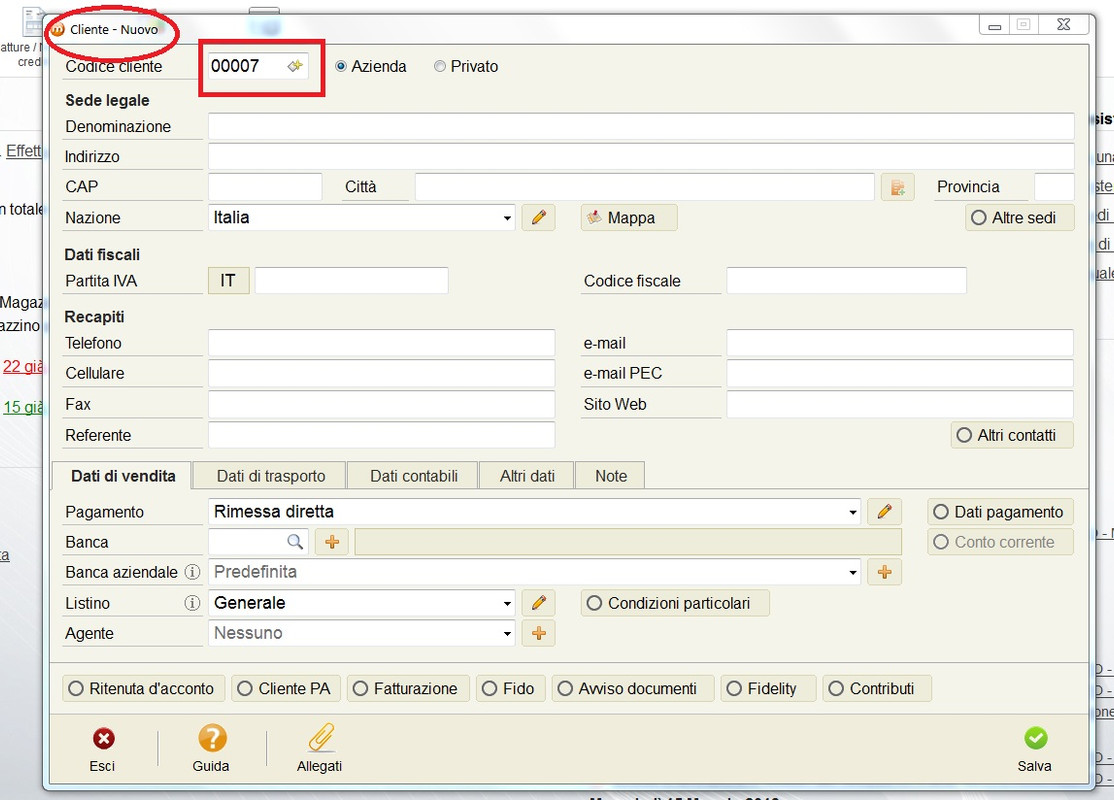
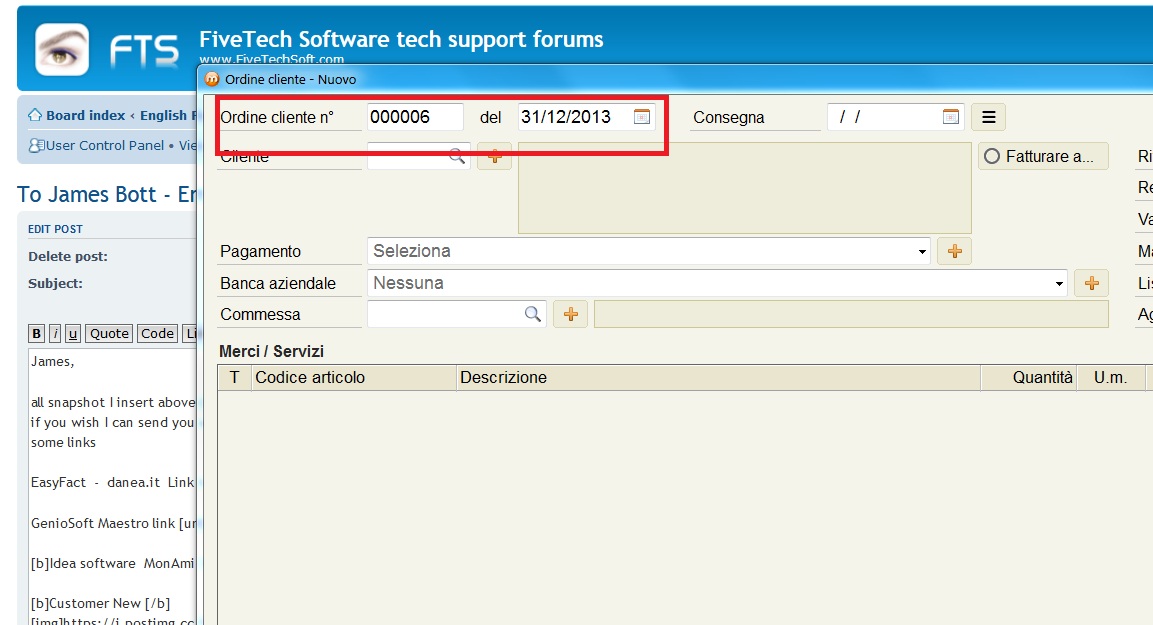
all snapshot I insert above are contain new records
if you wish I can send you an application or give you link to dowload demo Italian program
some links
EasyFact - danea.it Link to download https://www.danea.it/service/download/download.asp?ID=demo-ef09
GenioSoft Maestro link http://www.geniosoft.net/maestro?gclid=Cj0KCQjwuLPnBRDjARIsACDzGL2BOq7xMowt1IZzjuxMZt6-KgjWeAaifNhcpMwwaZ6yCyfLh2e2EVgaAp0DEALw_wcB#scrollMaestro
Idea software MonAmi 300 work on Sql link
Customer New
New invoice
But because you insist with this absurdity, it is from December that you insist,
but I was wrong I didn't have to tell you that I had a job deadline, I made it wrong
all snapshot I insert above are contain new records
if you wish I can send you an application or give you link to dowload demo Italian program
some links
EasyFact - danea.it Link to download https://www.danea.it/service/download/download.asp?ID=demo-ef09
GenioSoft Maestro link http://www.geniosoft.net/maestro?gclid=Cj0KCQjwuLPnBRDjARIsACDzGL2BOq7xMowt1IZzjuxMZt6-KgjWeAaifNhcpMwwaZ6yCyfLh2e2EVgaAp0DEALw_wcB#scrollMaestro
Idea software MonAmi 300 work on Sql link
Customer New
New invoice
But because you insist with this absurdity, it is from December that you insist,
but I was wrong I didn't have to tell you that I had a job deadline, I made it wrong
Since from 1991/1992 ( fw for clipper Rel. 14.4 - Momos)
I use : FiveWin for Harbour March-April 2024 - Harbour 3.2.0dev (harbour_bcc770_32_20240309) - Bcc7.70 - xMate ver. 1.15.3 - PellesC - mail: silvio[dot]falconi[at]gmail[dot]com
I use : FiveWin for Harbour March-April 2024 - Harbour 3.2.0dev (harbour_bcc770_32_20240309) - Bcc7.70 - xMate ver. 1.15.3 - PellesC - mail: silvio[dot]falconi[at]gmail[dot]com


